The stories we used to tell
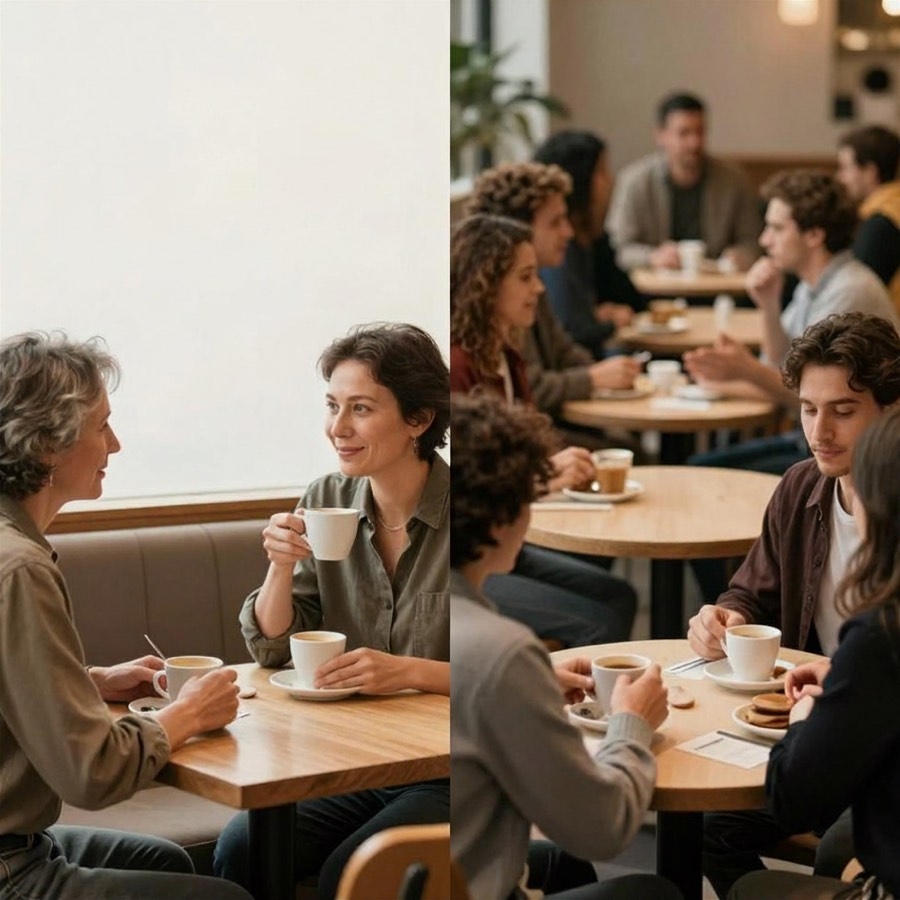
Ask anyone over a certain age how they met their longest relationship and the answer is often something ordinary: through a friend, at work, in a queue, through a hobby that had nothing to do with dating at all. Meeting someone used to be a side effect of living your life, not a separate task on top of it.
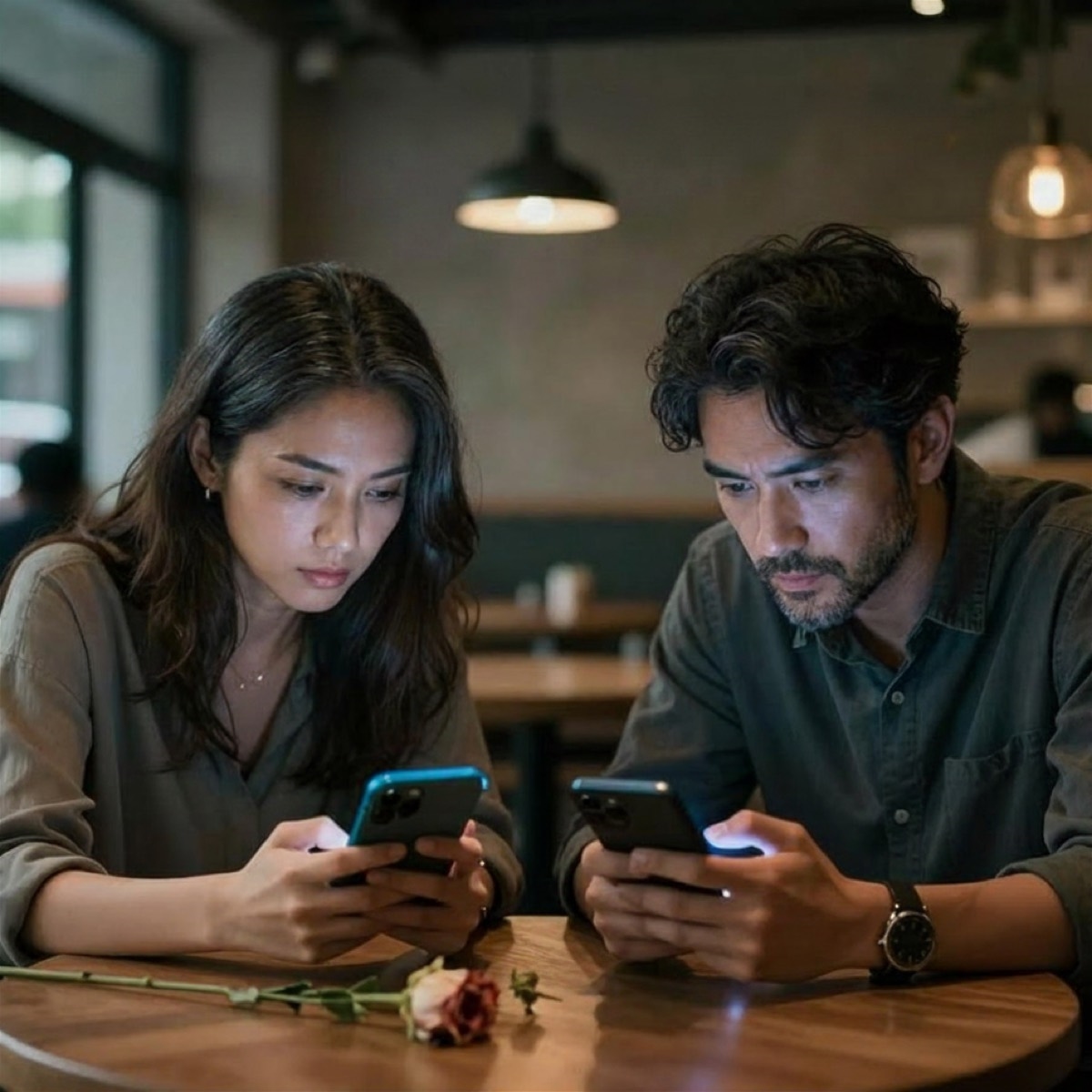
That's changed, and quickly. For a lot of people now, especially those re-entering the dating world after years out of it, "how did you two meet" almost always leads back to an app. Not because chance encounters have stopped happening, but because fewer people are leaving room for them to.
Why the organic route narrowed
Some of this is just modern life: smaller social circles, more time spent at home, workplaces where dating a colleague is discouraged. Some of it is habit — when there's a reliable place to look for matches on your phone, it's easy to stop noticing the person at the next table.
Apps didn't kill organic dating on their own. They just became the path of least resistance, and paths of least resistance tend to win, even when they're not actually the best route.
Convenience changed where we look for connection. It didn't change what we're looking for.
What's actually lost
The real cost isn't nostalgia for a bygone era — it's the specific kind of information that only comes from meeting someone in context. Watching how someone treats a waiter, a shared friend's easy vouching for their character, the low-stakes small talk that reveals more than any profile bio ever could. None of that transfers well to a grid of photos and a bio.
Reclaiming a bit of the organic
None of this means apps are the problem, or that going back to "the old way" is realistic or even desirable for most people. But it's worth deliberately making room for the organic version alongside the app version: saying yes to the friend's dinner party, joining the class you keep meaning to try, being a little more present in the ordinary moments of your week. Not instead of dating apps — alongside them. The goal isn't to abandon convenience. It's to stop letting convenience be the only door left open.