More options, less peace of mind
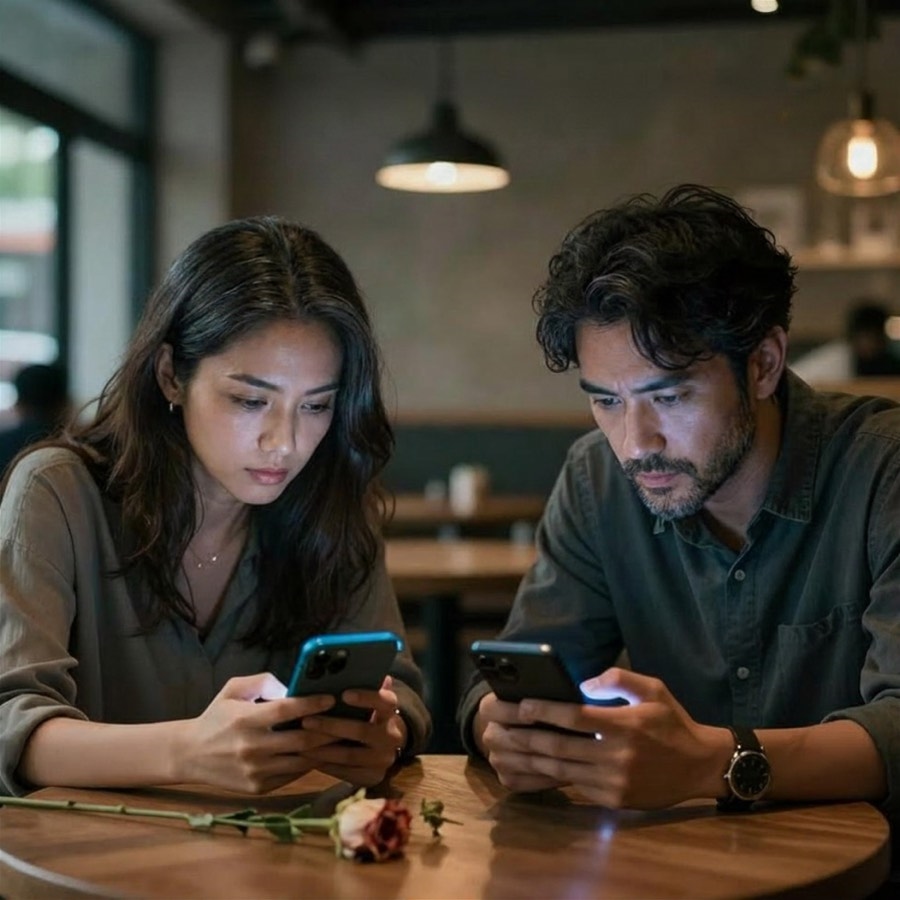
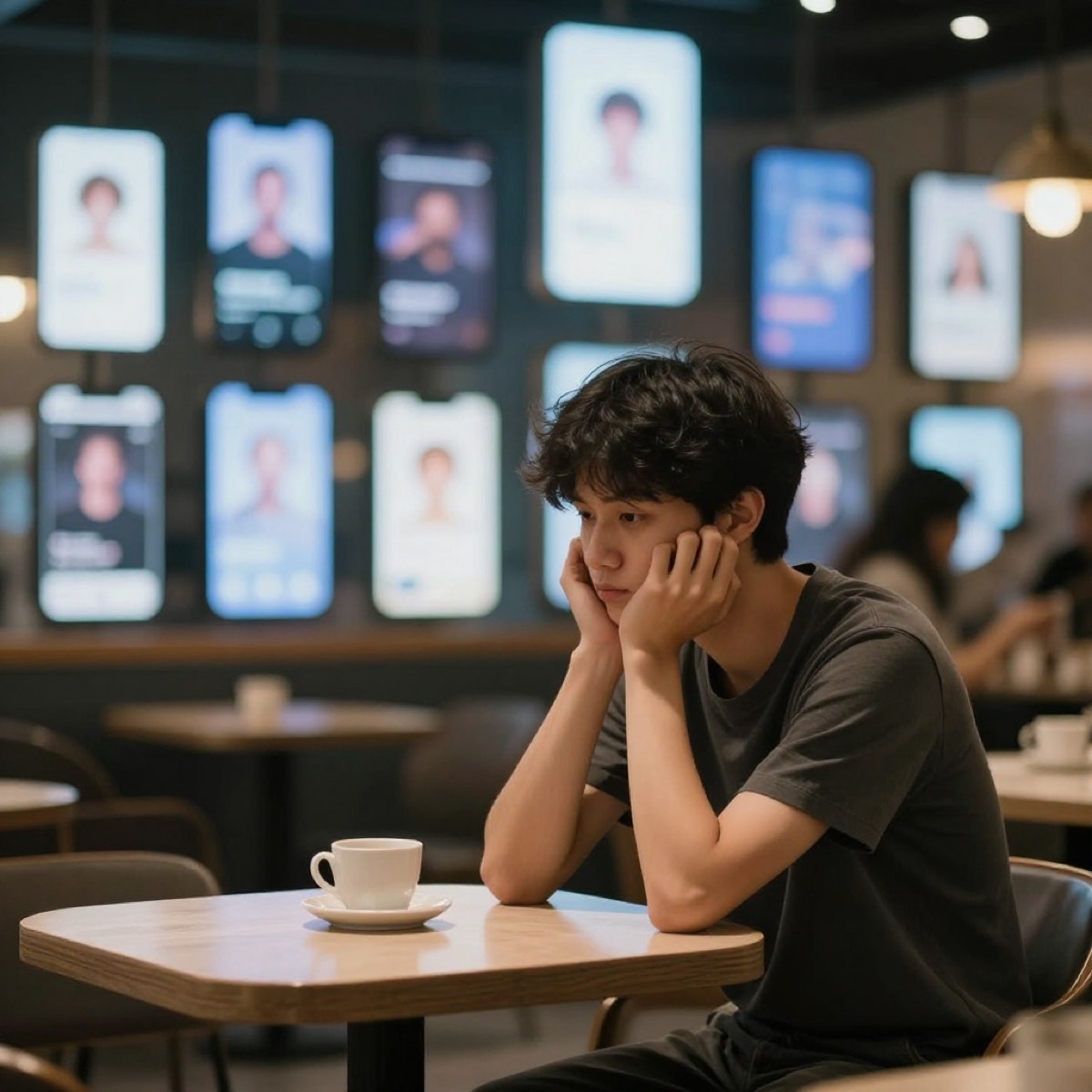
It sounds like it shouldn't be true: the more potential matches available, the harder it can feel to actually connect with any of them. But choice, past a certain point, doesn't feel like freedom. It feels like pressure — a nagging sense that somewhere in that endless scroll is someone better, so committing to a conversation with the person in front of you feels premature.
Psychologists have a name for this outside of dating entirely: the more options we're given, the more anxious we become about picking the "wrong" one, and the less satisfied we feel with whatever we do choose. Dating apps didn't invent this pattern. They just built an environment where it plays out constantly, one profile at a time.
The loneliness hiding inside abundance
This is the quiet irony of modern dating: it's possible to have hundreds of matches and still feel completely unseen. Volume isn't the same as connection. A hundred shallow conversations don't add up to one good one, and chasing quantity can actually crowd out the attention any single person would need to become something real.
Having more options isn't the same as being closer to finding the right one.
For people returning to dating after years away — after a marriage ends, after a long stretch of not looking at all — this can be one of the more disorienting parts. The sheer scale can feel less like opportunity and more like static.
Choosing depth over volume
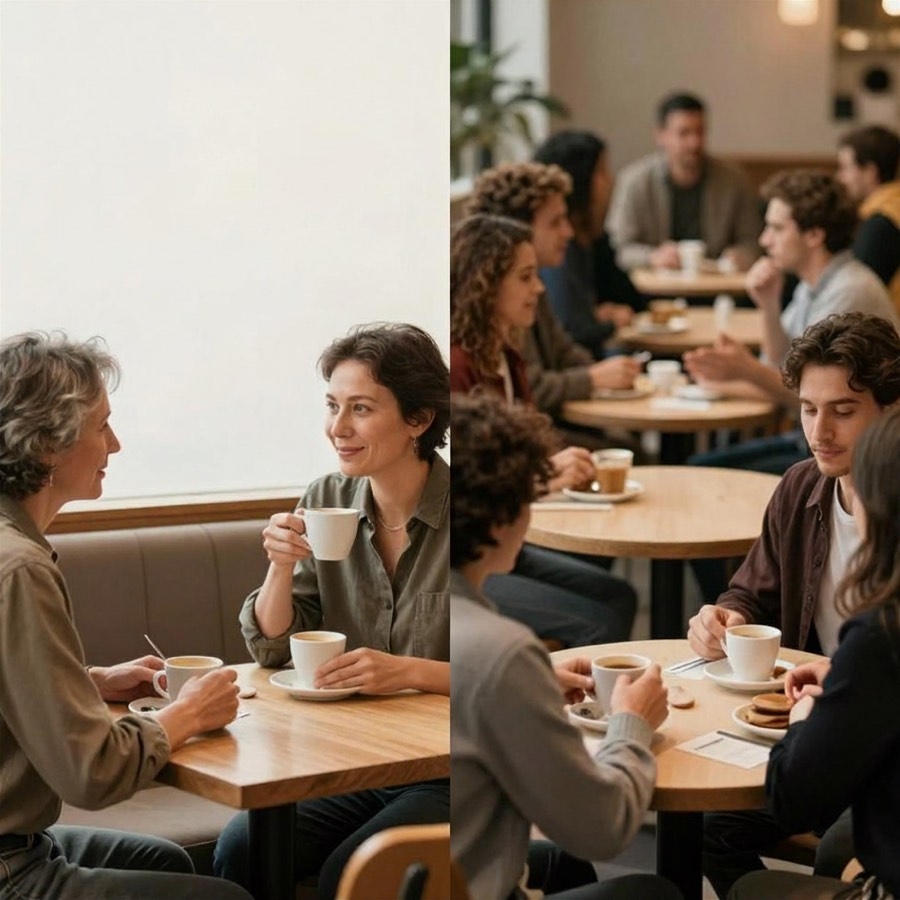
The way out isn't necessarily fewer matches — it's fewer half-hearted ones. Talking properly to three people is usually worth more than skimming past thirty. That means being willing to close some tabs, so to speak: politely letting go of conversations that aren't going anywhere, so there's actually room to give a good one the attention it deserves.
Choice is only useful when you're willing to stop looking at it long enough to actually choose. The goal was never to keep every option open forever — it was to find the one worth closing the others for.